
Your Health, We Care


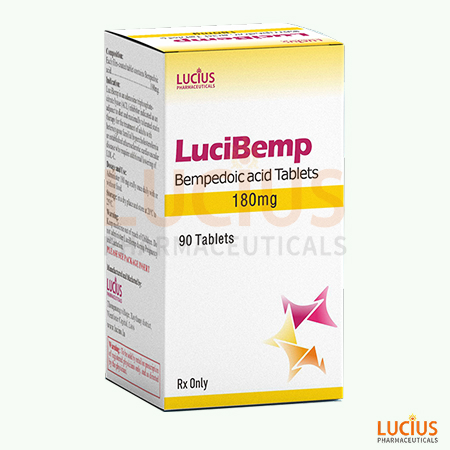
Another NameNilemdo、贝派地酸片、Bempedoic Acid、LuciBemp
IndicationsBempedoic acid is a new drug for the treatment of high cholesterol. It can be used when statins are not suitable and ezetimibe alone is ineffective.
Reg No.04-LM-01470-26
Inspection NO.3129-25

Telegram name: Vira
Name: LUCIUS
No.:0085253923643
The prescription drug bempedoic acid (Nilemdo) was approved by the U.S. FDA in 2020. Its target of action is adenosine triphosphate-citrate lyase (ACL). It must be used strictly under medical supervision.
ATP-citrate lyase (ACL).
Route and Frequency of Administration of Bempedoic Acid (Nilemdo): Oral administration, once daily.
The dosage of Bempedoic Acid (Nilemdo) should be adjusted according to the patient's actual condition. For specific circumstances, consult a doctor and strictly follow the medical advice.
Recommended Reading: Dosage and Administration of Bempedoic Acid (Nilemdo)
Common Side Effects: Pain in extremities (shoulders, legs and arms), anemia, etc.
Serious Side Effects: Elevated serum uric acid levels, increased risk of gout, etc.
Pregnancy: Use in pregnant women or women with suspected pregnancy is not recommended.
Lactation: During use, the benefits of drug treatment versus breastfeeding should be weighed to decide whether to suspend breastfeeding or discontinue the drug.
1. Risk of hyperuricemia exists, including possible induction of gout. Patients should be informed that monitoring of serum uric acid concentration may be required during treatment with bempedoic acid. If signs or symptoms associated with hyperuricemia occur, medical staff should be informed promptly.
2. Risk of tendinitis or tendon rupture exists. Patients are advised to rest immediately and contact medical staff promptly if initial symptoms of tendinitis or tendon rupture appear.
3. It is very important for patients to inform medical staff of all therapeutic drugs currently being used or planned for combined use, including prescription drugs, over-the-counter drugs, dietary supplements and herbal preparations, as well as their coexisting diseases.
Telegram name: Vira
Name: LUCIUS
No.:0085253923643
