
Your Health, We Care


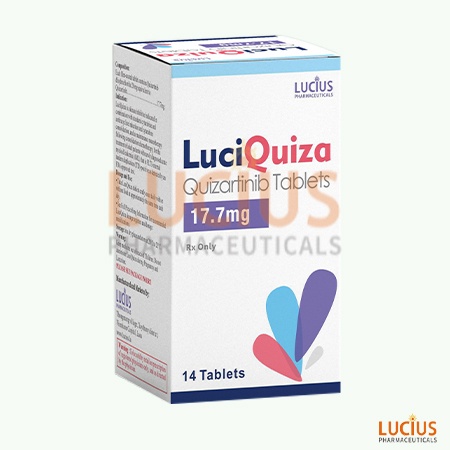
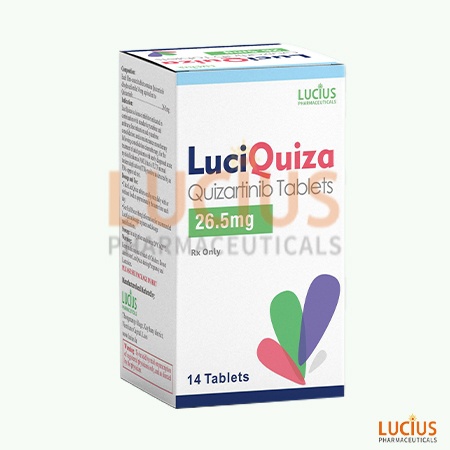
Another NameVanflyta、奎扎替尼
IndicationsUsed for the treatment of relapsed or refractory FLT3-ITD mutation positive acute myeloid leukemia.
Specs


Telegram name: Vira
Name: LUCIUS
No.:0085253923643
Quizartinib, a prescription drug targeting FLT3-ITD mutations, was first approved in Japan in 2019 and received approval from the U.S. Food and Drug Administration (FDA) in July 2023. Please use it strictly under medical supervision.
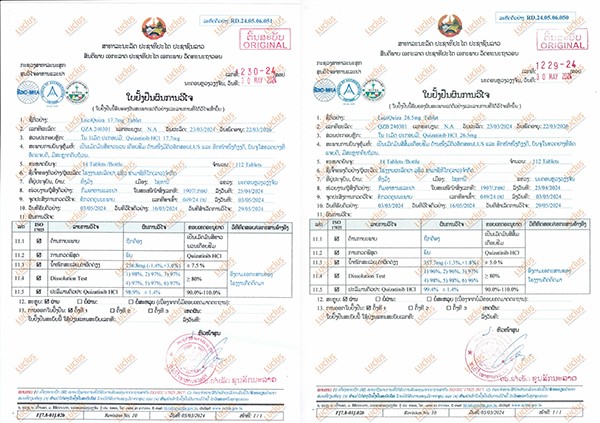
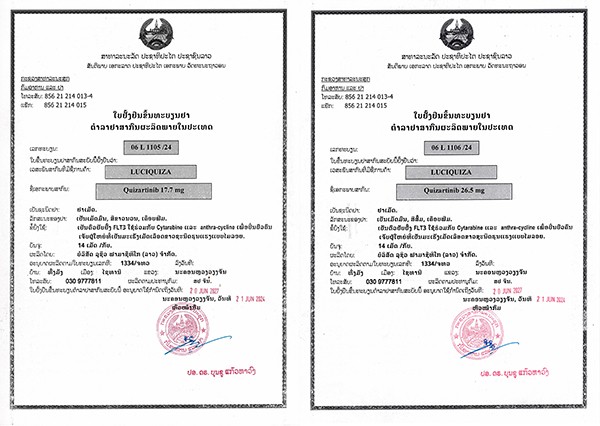
FLT3-ITD mutation
Route and frequency of administration for Quizartinib: Oral, once daily.
The dose of Quizartinib should be adjusted based on the patient's actual condition; specific adjustments require consultation with a physician and adherence to medical advice.
Recommended reading: Dosage and Administration of Quizartinib
Common side effects: Low white blood cell count, changes in blood electrolyte levels, changes in liver function tests, etc.
Serious side effects: Changes in cardiac electrical activity (QTc prolongation), Torsade de Pointes, etc.
Reference article: Side Effects of Quizartinib
Pregnancy: Effective contraception should be used during treatment and for 7 months after the last dose. If you become pregnant or suspect you may be pregnant, inform your healthcare provider immediately.
Breastfeeding: Quizartinib may harm your baby. Do not breastfeed during treatment with Quizartinib and for 1 month after the last dose.
1. Instruct patients to report symptoms associated with significant QTc prolongation, such as dizziness, lightheadedness, and syncope. Advise patients to inform their healthcare provider of all medications they are taking.
2. Inform pregnant women of the potential fetal risk. Instruct females of reproductive potential to use effective contraception during treatment and for 7 months after the last dose. If a patient becomes pregnant or suspects pregnancy, they should immediately inform their healthcare provider. Instruct male patients with female partners of reproductive potential to use effective contraception during treatment and for 4 months after the last dose.
3. Instruct females not to breastfeed during treatment and for 1 month after the last dose.
from FDA,2023.07
Telegram name: Vira
Name: LUCIUS
No.:0085253923643
