
Your Health, We Care


Release date: 2025-12-02 11:44:20 Recommended: 343
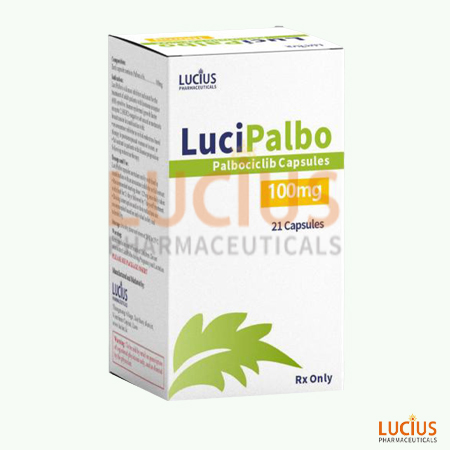
Palbociclib is a kinase inhibitor indicated for the treatment of adult patients with hormone receptor (HR)-positive, human epidermal growth factor receptor 2 (HER2)-negative advanced or metastatic breast cancer, in combination with:
An aromatase inhibitor as initial endocrine-based therapy for postmenopausal women or men with breast cancer;
Fulvestrant for patients with breast cancer whose disease has progressed following endocrine therapy.
Palbociclib capsules are administered orally in combination with an aromatase inhibitor or fulvestrant.
Recommended starting dose: 125 mg taken orally once daily with food for 21 consecutive days, followed by a 7-day rest period.
Dose interruption and/or reduction are recommended based on individual safety and tolerability.
Lactation: Breastfeeding is not recommended.
Neutropenia: Monitor complete blood cell counts prior to initiating palbociclib therapy, at the start of each cycle, and on Day 15 of the first two cycles, as clinically indicated.
Embryo-Fetal Toxicity: Palbociclib can cause fetal harm. Inform patients of the potential risk to the fetus and advise the use of effective contraception.
CYP3A Inhibitors: Concomitant use of palbociclib with strong CYP3A inhibitors should be avoided. If coadministration with a strong inhibitor cannot be avoided, reduce the palbociclib dose.
CYP3A Inducers: Concomitant use of palbociclib with strong CYP3A inducers should be avoided.
CYP3A Substrates: When administered concomitantly with palbociclib, dosage reduction of sensitive CYP3A4 substrates with a narrow therapeutic index may be necessary.
The most common adverse reactions (incidence ≥10%) are neutropenia, infection, leukopenia, fatigue, nausea, stomatitis, anemia, alopecia, diarrhea, thrombocytopenia, rash, vomiting, decreased appetite, asthenia, and pyrexia.
No specific contraindications have been identified.
Capsules.
Store at 20°C to 25°C (68°F to 77°F). Short-term transport between 15°C and 30°C (59°F and 86°F) is permitted. Protect from moisture.


Telegram name: Vira
Name: LUCIUS
No.:0085253923643
