
Your Health, We Care


Release date: 2025-12-05 10:55:49 Recommended: 312
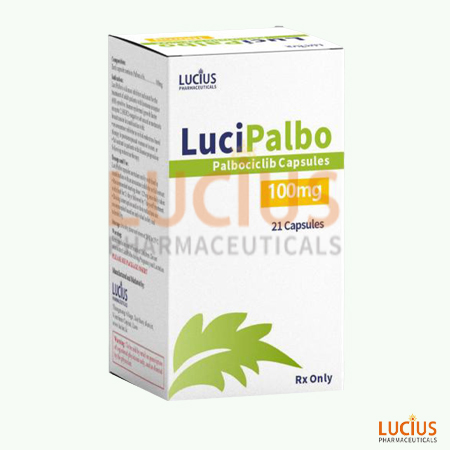
Capivasertib is a kinase inhibitor. In combination with fulvestrant, it is indicated for the treatment of adult patients with hormone receptor (HR)-positive, human epidermal growth factor receptor 2 (HER2)-negative, locally advanced or metastatic breast cancer. These patients must have one or more PIK3CA/AKT1/PTEN alterations detected by an FDA-approved test, and have experienced disease progression following at least one endocrine therapy regimen for metastatic breast cancer, or recurrence at the time of completion of adjuvant therapy or within 12 months after completion of adjuvant therapy.
Patients with HR-positive, HER2-negative advanced or metastatic breast cancer who are to be treated with Capivasertib are selected based on the presence of one or more of the following genetic alterations in tumor tissue: PIK3CA/AKT1/PTEN.
Recommended Dosage: 400 mg orally twice daily, with or without food. Administer continuously for 4 days, followed by a 3-day break from treatment.
Lactation: Breastfeeding is not recommended.
Hyperglycemia: Evaluate blood glucose levels regularly before initiating treatment and during treatment. Depending on the severity, suspend, reduce the dose, or permanently discontinue Capivasertib.
Diarrhea: Capivasertib can cause diarrhea in most patients. Advise patients to increase oral fluid intake, initiate antidiarrheal treatment, and consult a healthcare provider if diarrhea occurs while taking LuciCapiva. Depending on the severity, suspend, reduce the dose, or permanently discontinue Capivasertib.
Cutaneous Adverse Reactions: Monitor for signs and symptoms of cutaneous adverse reactions. Depending on the severity, suspend, reduce the dose, or permanently discontinue Capivasertib.
Embryo-Fetal Toxicity: Capivasertib can cause fetal harm. Advise patients of the potential risk to the fetus and to use effective contraception.
Strong CYP3A Inhibitors: Avoid concurrent use. If concurrent use cannot be avoided, reduce the Capivasertib dose.
Moderate CYP3A Inhibitors: Reduce the Capivasertib dose.
Strong and Moderate CYP3A Inducers: Avoid concurrent use.
The most common adverse reactions (incidence ≥20%), including laboratory abnormalities, are diarrhea, cutaneous adverse reactions, increased random blood glucose, lymphopenia, decreased hemoglobin, increased fasting blood glucose, nausea, fatigue, leukopenia, increased triglycerides, neutropenia, increased creatinine, vomiting, and stomatitis.
No specific contraindications have been identified.
Tablets
Store at a temperature of 20°C to 25°C (68°F to 77°F). Short-term transportation between 15°C and 30°C (59°F and 86°F) is permitted. Protect from moisture.


Telegram name: Vira
Name: LUCIUS
No.:0085253923643
