
Your Health, We Care


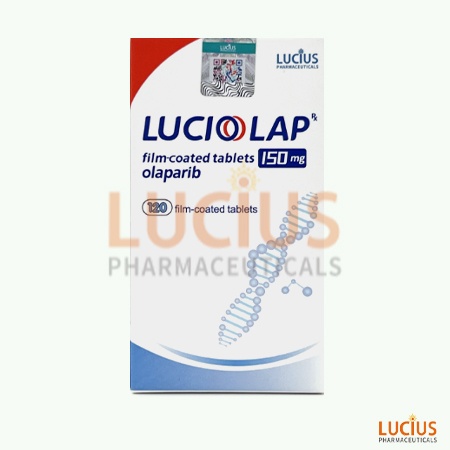
Another NameLuciOlap、奥拉帕尼、奥拉帕利、利普卓
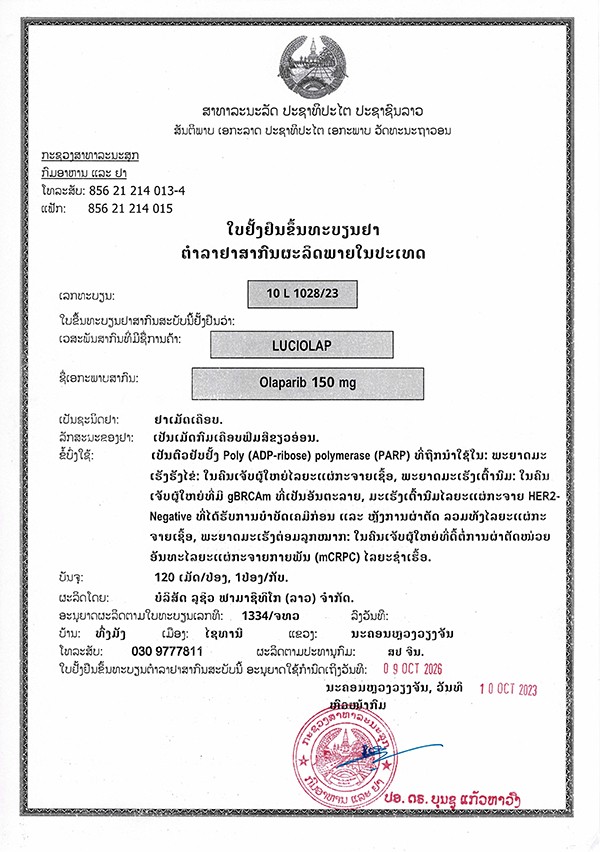
IndicationsFor the treatment of ovarian, fallopian tube, primary peritoneal, HER2-negative breast, pancreatic adenocarcinoma and metastatic castration-resistant prostate cancer (mCRPC).
Specs


Telegram name: Vira
Name: LUCIUS
No.:0085253923643
Olaparib is a prescription drug approved by the U.S. Food and Drug Administration (FDA) in December 2014 for the U.S. market. It acts on members of the poly (ADP-ribose) polymerase family, including PARP1, PARP2 and PARP3. Use must be strictly under the guidance of a physician.
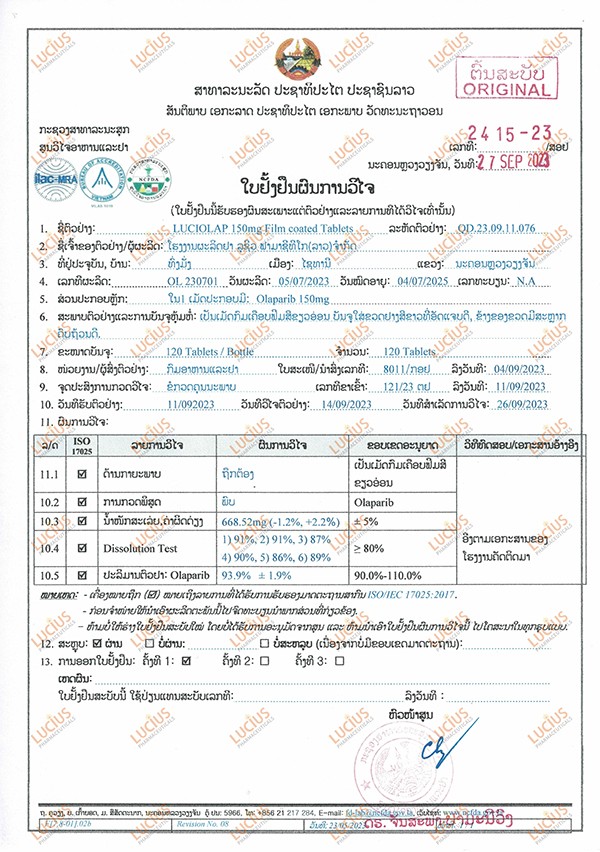
Members of the poly(ADP-ribose) polymerase (PARP) family, specifically including PARP1, PARP2 and PARP3.
Route and frequency of administration of Olaparib: Oral administration, twice daily.
The dosage of Olaparib should be adjusted according to the patient’s actual condition. For specific circumstances, please consult a doctor and strictly follow medical advice.
Recommended reading: Dosage and Administration of Olaparib
Common side effects: Fatigue or asthenia, low red blood cell count, etc.
Serious side effects: Myelodysplastic syndrome (MDS) or acute myeloid leukemia (AML), etc.
Reference article: Side Effects of Olaparib
Pregnancy: Effective contraceptive measures should be taken during treatment with Olaparib and for 6 months after the last dose.
Lactation: It is not known whether Olaparib is excreted in human milk. Do not breastfeed during treatment with Olaparib and for 1 month after the last administration.
1. It is very important to provide a written patient medication information (medication guide) each time Olaparib is dispensed. Inform patients to read this patient medication information before taking Olaparib and each time the prescription is renewed.
2. Instruct patients to swallow Olaparib tablets whole; do not chew, crush, dissolve or split the tablets. Advise patients to avoid consumption of grapefruit, grapefruit juice, Seville oranges and Seville orange juice during treatment with this drug.
3. If a dose is missed, inform patients not to take an extra dose to make up for it, but to take the usual dose at the next regular dosing time instead.
FDA,2021.08
Telegram name: Vira
Name: LUCIUS
No.:0085253923643
