
Your Health, We Care


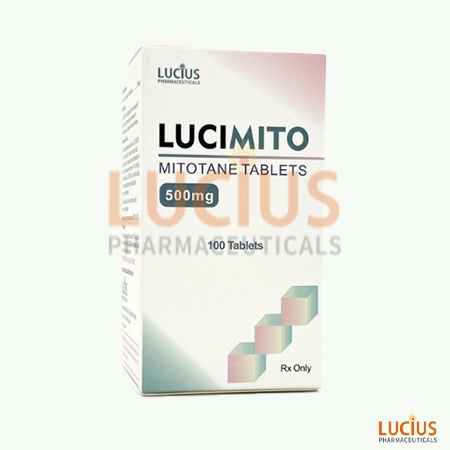
Another Name米托坦、密妥坦、LuciMito
IndicationsIt is used to treat adrenocortical carcinoma (ACC) that is unresectable, functional, or non-functional.
Specs


Telegram name: Vira
Name: LUCIUS
No.:0085253923643
Mitotane is a rare disease drug used to treat adrenal cortex cancer, which was launched in 1964 and approved by the FDA in 1970.
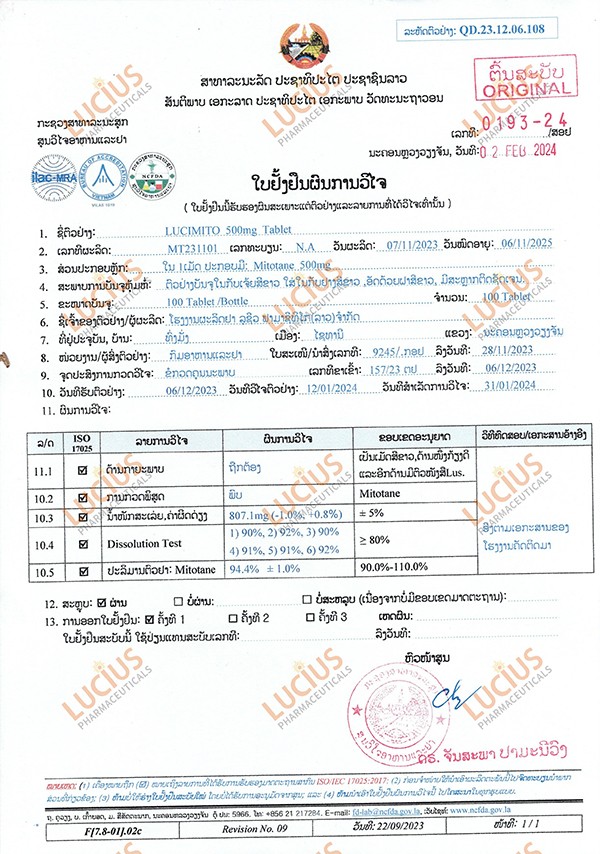
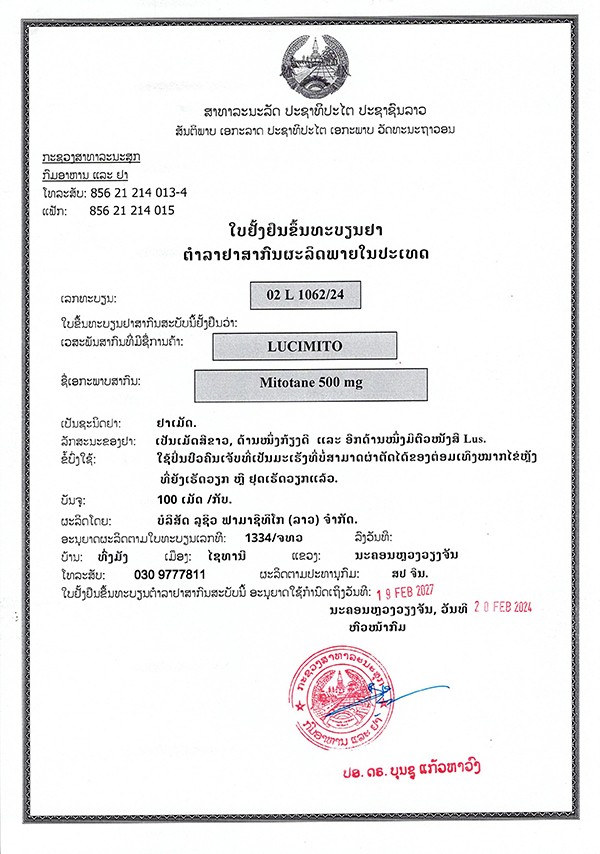
Mitotane produced by Lucius, Reg No is 02 L 1062/24, Inspection Number is 0193-24.
Anti-tumor Activity: Destroys cancer cells.
Hormonal Regulation: Improves symptoms caused by excessive hormone levels.
In other words, for some patients, Mitotane helps to inhibit tumor growth while reducing hormone levels.
Route and Frequency of Administration: Oral administration, with a daily dose of 2000mg to 6000mg, divided into 3 to 4 doses.
The dosage of Mitotane should be adjusted based on the patient's actual condition. Specific adjustments must be made in accordance with strict medical advice and consultation with a healthcare professional.
Recommended Reading: Dosage and Administration of Mitotane
Major Risks and Warnings: Adrenal crisis in the context of shock, severe trauma, or infection.
Common Adverse Reactions: Loss of appetite, gastrointestinal discomfort.
Serious Adverse Reactions: Adrenal insufficiency and adrenal crisis.
Reference Article: Adverse Reactions of Mitotane
Pregnancy: Mitotane may cause harm to your unborn child.
Lactation: It is unknown whether Mitotane is excreted in human milk. Due to the potential risk to the nursing infant, breastfeeding should be discontinued.
1. Risk of Dizziness or Fatigue: Use caution when driving, operating machinery, or engaging in other hazardous activities requiring mental alertness.
2. Injury/Infection: Inform your clinical physician of any injury, infection, or other illnesses.
3. Concomitant Therapy: Inform your clinical physician of all existing or planned treatments, including prescription and over-the-counter (OTC) drugs.
from FDA,2024.01
Telegram name: Vira
Name: LUCIUS
No.:0085253923643
