
Your Health, We Care


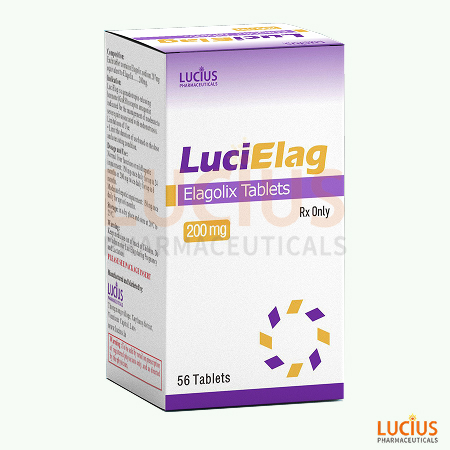
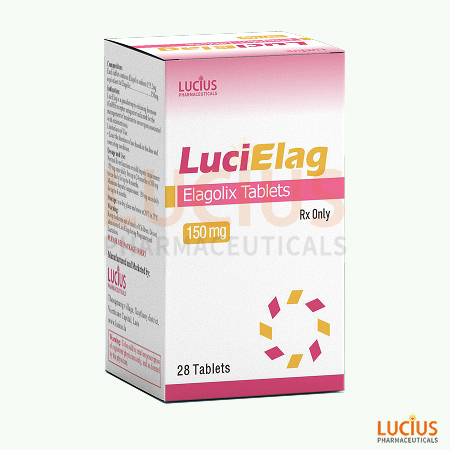
Another Name恶拉戈利钠、Orilissa、LuciElag
IndicationsFor the treatment of moderate to severe pain associated with endometriosis.
Reg No.03-LM-01448-26
Inspection NO.387-26


Telegram name: Vira
Name: LUCIUS
No.:0085253923643
Elagolix (brand name: Orilissa) is a prescription drug targeting the gonadotropin-releasing hormone receptor (GnRH receptor), approved by the U.S. FDA in 2018. It should be used strictly under medical supervision.
Gonadotropin-releasing hormone receptor (GnRH receptor)
Route and frequency of administration of Elagolix Sodium (Orilissa): oral.
The dosage of Elagolix Sodium (Orilissa) should be adjusted according to the patient's actual condition; specific adjustments require consultation with a physician and adherence to medical advice.
Recommended reading: Dosage and Administration of Elagolix Sodium (Orilissa)
Common side effects: hot flushes and night sweats, headache, nausea, etc.
Serious side effects: suicidal thoughts, behaviors or actions, and worsening of mood, etc.
Pregnancy: If you are trying to conceive or are already pregnant, do not take Elagolix Sodium, as it may increase the risk of early pregnancy loss. If you suspect you are pregnant, stop taking Elagolix Sodium immediately and contact your doctor.
Breastfeeding: If you are breastfeeding or plan to breastfeed, do not take Elagolix Sodium. It is not known whether Elagolix Sodium passes into breast milk.
1. Inform patients that during treatment with elagolix, they should ensure adequate intake of calcium and vitamin D.
2. If suicidal ideation or suicidal behavior occurs during treatment, advise patients to seek immediate medical attention. If patients experience new or worsening depression, anxiety, or other mood changes, instruct them to consult a doctor promptly.
3. Inform patients about the signs and symptoms of liver injury, such as: jaundice, dark yellow urine, fatigue, nausea and vomiting, generalized edema, right upper quadrant pain, easy bruising, etc.
Telegram name: Vira
Name: LUCIUS
No.:0085253923643
