
Your Health, We Care


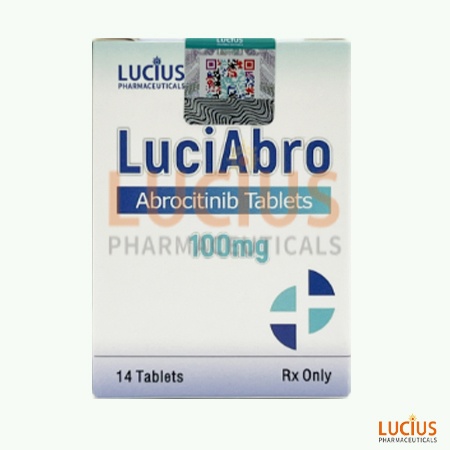
Another NameCibinqo、希必可、阿布昔替尼
IndicationsFor the treatment of adult and pediatric patients aged 12 years and older with moderate to severe eczema (atopic dermatitis).
Specs


Telegram name: Vira
Name: LUCIUS
No.:0085253923643
Cibinqo was first developed by Pfizer and approved for market by the FDA on January 14, 2022.
Cibinqo is used to treat refractory, moderate to severe atopic dermatitis in adult patients who have poor response to other systemic treatments (such as hormones or biologics) or are not suitable for the above treatments.
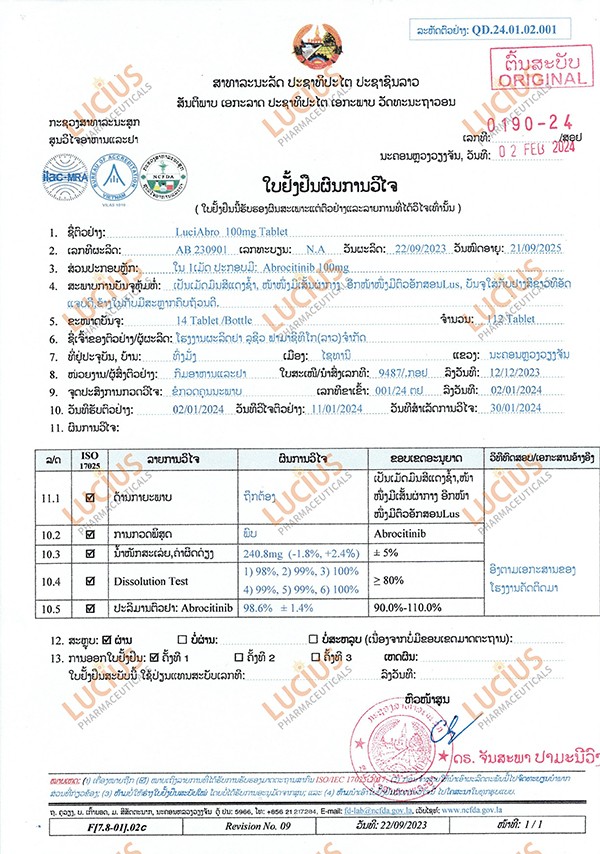
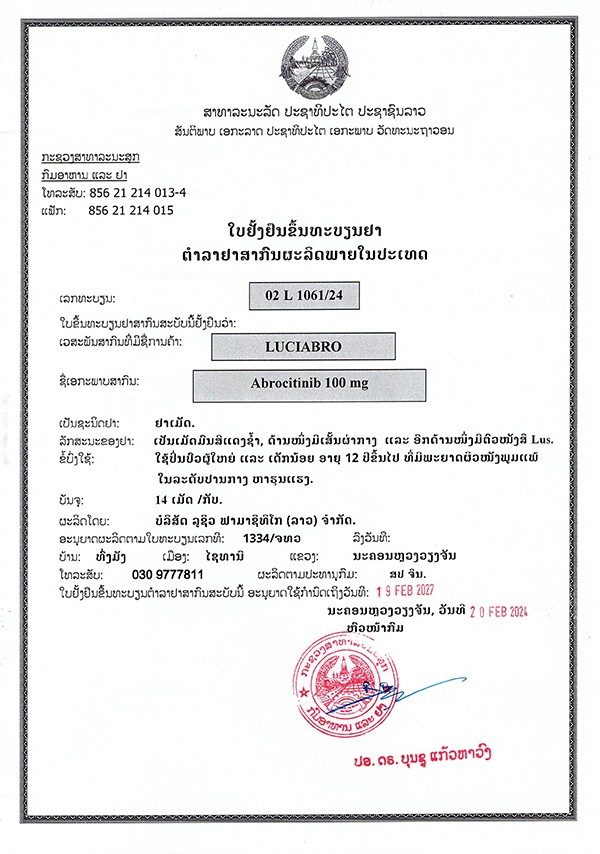
JAK1
Route and frequency of administration for Abrocitinib tablets: Oral, once daily.
The dosage of Abrocitinib tablets should be adjusted according to the patient's actual condition. Please consult your doctor for specific instructions.
Recommended reading: Dosage and Administration of Abrocitinib Tablets
Common side effects: Common cold, nausea, headache, etc.
Serious side effects: Serious infections, cancer, and immune system problems, etc.
Reference article: Side Effects of Abrocitinib Tablets
Pregnancy: It is not known whether Abrocitinib will harm your unborn baby.
Breastfeeding: It is not known whether Abrocitinib passes into your breast milk. You should not take Abrocitinib while breastfeeding.
1. Inform patients that infections may occur while taking Abrocitinib. Instruct patients to tell their doctor if they develop any signs or symptoms of an infection.
2. Inform patients that patients receiving Abrocitinib treatment have an increased risk of developing shingles (herpes zoster), and some cases may be serious.
3. Inform patients that Abrocitinib may increase their risk of developing certain cancers, including skin cancer. Advise patients to undergo regular skin checks while taking Abrocitinib. Also advise patients to limit sun and ultraviolet light exposure by wearing protective clothing and using a broad-spectrum sunscreen.
from FDA,2023.12
Telegram name: Vira
Name: LUCIUS
No.:0085253923643
