
Your Health, We Care


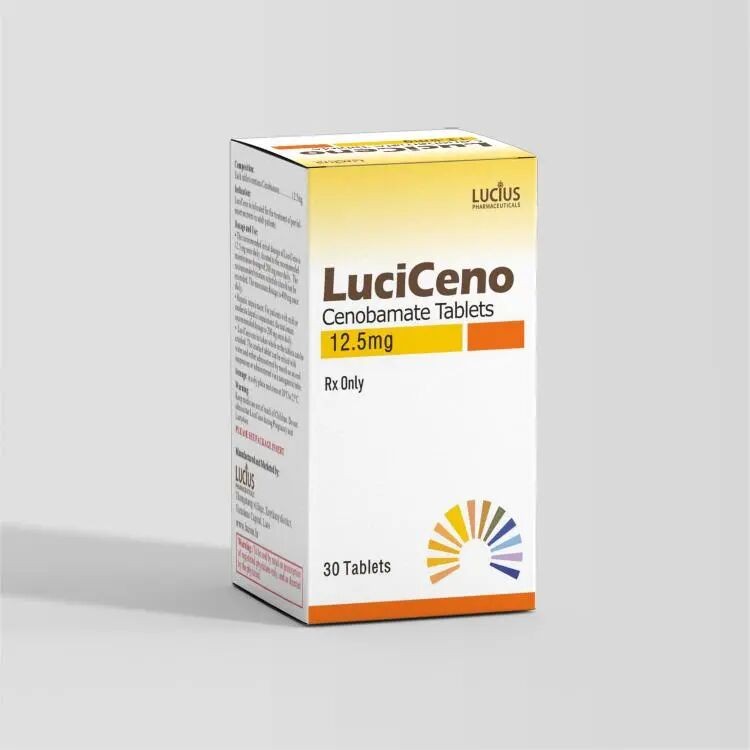
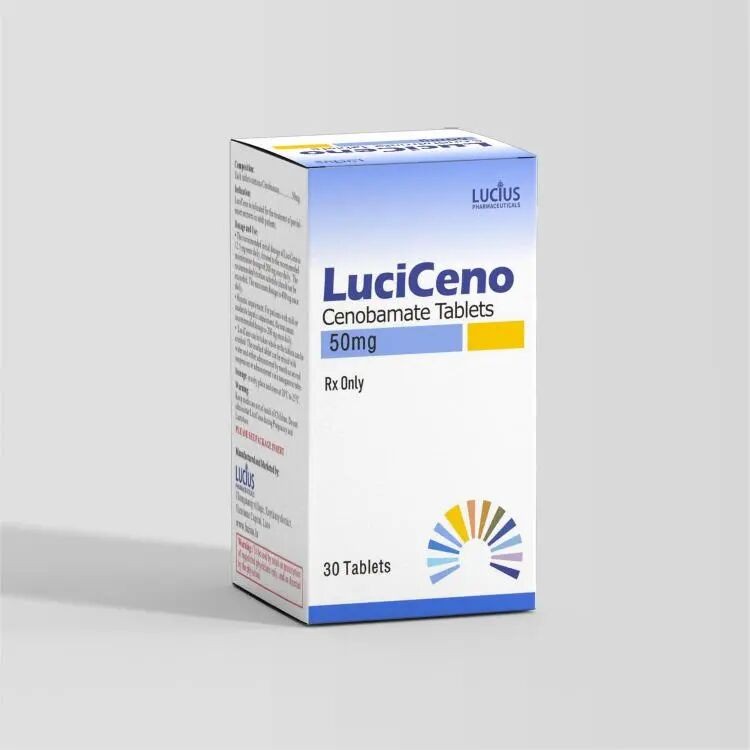
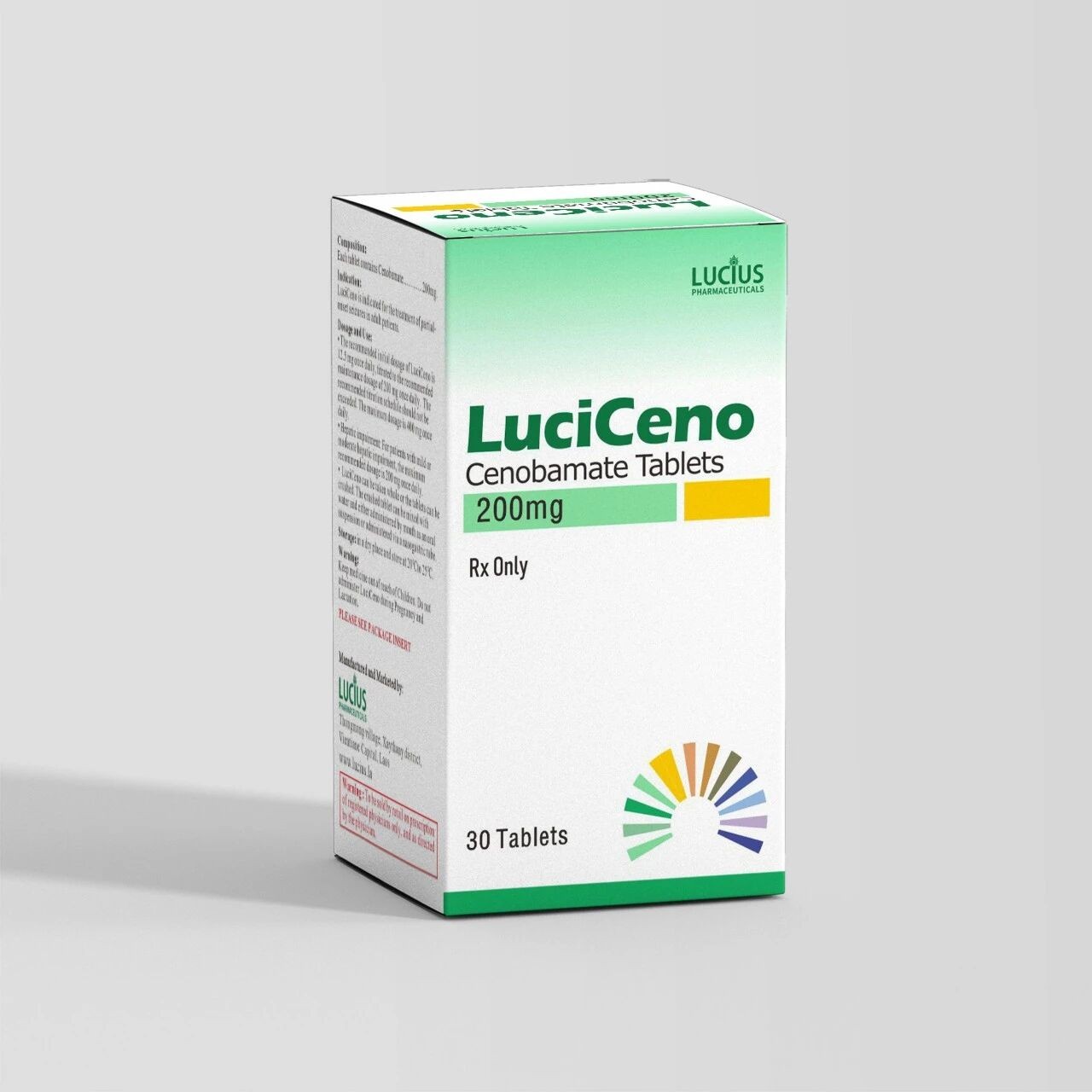
Another NameOntozry、LuciCeno、西诺氨酯、苯巴那酯
IndicationsAdjunctive therapy for focal-onset seizures (with or without secondary generalization) in adults inadequately controlled by ≥2 antiseizure medications.
Reg No.11L 1405/25
Inspection NO.

Telegram name: Vira
Name: LUCIUS
No.:0085253923643
Cenobamate has multiple mechanisms of action and offers therapeutic value for some patients who continue to have seizures despite prior antiseizure therapy; clinically, the dose is usually titrated gradually based on seizure control and tolerability.
Cenobamate is used for focal-onset seizures in adults. Its exact mechanism of action is unknown. It has been shown to inhibit voltage-gated sodium currents and reduce repetitive neuronal firing; it is also a positive allosteric modulator of γ-aminobutyric acid (GABA) ion channels.
Pretreatment testing: If not tested within the past 3 months, serum transaminases (ALT, AST) and total bilirubin should be tested first to establish baseline liver function.
Initiation and titration: The initial dose is 12.5 mg once daily, orally, with or without food.
Weeks 1–2: 12.5 mg once daily;
Weeks 3–4: 25 mg once daily;
Weeks 5–6: 50 mg once daily;
Weeks 7–8: 100 mg once daily;
Weeks 9–10: 150 mg once daily;
Week 11 and thereafter: 200 mg once daily for maintenance.
Based on clinical response and tolerability, the dose may be increased by 50 mg every 2 weeks, up to a maximum dose of 400 mg once daily. Do not exceed the recommended titration rate.
Administration: May be swallowed whole or crushed. Crushed tablets may be mixed with 25 mL of water to make a suspension for oral administration or administered via nasogastric tube. The oral suspension should be consumed immediately; then rinse the container with 25 mL of water and drink it to ensure no residue remains. After nasogastric administration, flush with an additional 10 mL of water.
Discontinuation: Taper gradually over at least 2 weeks unless rapid discontinuation is required for safety reasons.
Contraindications: Hypersensitivity to cenobamate or any excipient of the product; familial short QT syndrome.
Hepatic impairment: The maximum recommended dose in patients with mild to moderate hepatic impairment is 200 mg once daily; not recommended in severe hepatic impairment.
Major drug interactions: Phenytoin should be gradually reduced by up to 50%; consider dose reduction when used with phenobarbital or clobazam; lamotrigine and carbamazepine may require dose increases; CYP2B6 and CYP3A substrates may require dose increases; CYP2C19 substrates may require dose reductions; oral contraceptives may be less effective.
Pregnancy: There are no adequate human data. Animal studies show embryo-fetal death, decreased fetal weight, and neurobehavioral and reproductive impairment in offspring at clinically relevant exposures; may cause fetal harm.
Lactation: It is not known whether cenobamate is present in human milk or what effects it has on the breastfed infant or milk production; it is detectable in rat milk. Consider the benefits of breastfeeding, the mother's clinical need, and potential risks to the breastfed infant.
Reproductive Potential: Women using oral hormonal contraceptives should add or switch to a non-hormonal contraceptive method.
Pediatric: Safety and effectiveness have not been established.
Geriatric: Insufficient data in patients 65 years and older; use with caution, usually starting at the low end of the dose range.
Renal Impairment: Use with caution in patients with mild to moderate (CLcr 30 to <90 mL/min) and severe (CLcr <30 mL/min) renal impairment; dose reduction may be considered; not recommended in patients with end-stage renal disease on dialysis.
Hepatic Impairment: Use with caution in mild to moderate (Child-Pugh A/B) hepatic impairment; maximum 200 mg once daily; further dose reduction may be considered; not recommended in severe (Child-Pugh C) hepatic impairment.
Abuse and Dependence: XCOPRI contains cenobamate and is a Schedule V controlled substance in the United States; it has abuse potential and can cause physical dependence. Abrupt discontinuation can cause withdrawal symptoms such as insomnia, decreased appetite, depressed mood, tremor, and amnesia; taper gradually.
Most common adverse reactions (incidence ≥10% and greater than placebo): somnolence, dizziness, fatigue, diplopia, headache.
Serious adverse reactions and warnings:
DRESS/multiorgan hypersensitivity: May present with fever, rash, lymphadenopathy, facial swelling, and be accompanied by hepatitis, nephritis, hematologic abnormalities, myocarditis, myositis, etc.; may be fatal. Discontinue immediately if suspected; do not rechallenge if other causes cannot be ruled out.
QT shortening: May dose-dependently shorten QTc; contraindicated in familial short QT syndrome; use with caution with other QT-shortening drugs. Symptoms include prolonged palpitations and syncope.
Suicidal behavior and ideation: Antiepileptic drugs may increase the risk of suicidal thoughts or behavior; monitor for depression, mood or behavior changes, and suicidal thoughts.
Hepatic injury: Clinically significant hepatic injury and acute liver failure requiring transplantation can occur. Test ALT, AST, and total bilirubin before treatment and when clinically indicated; unexplained nausea, vomiting, right upper abdominal pain, fatigue, anorexia, jaundice, dark urine, etc. should be reported immediately, and the drug should be discontinued.
Neurologic reactions: Dose-dependent somnolence, fatigue, dizziness, gait and coordination disturbances, cognitive impairment, and visual changes. Patients should not drive or operate machinery while taking the drug; avoid alcohol and other CNS depressants.
Discontinuation reactions: Abrupt discontinuation can cause increased seizure frequency or status epilepticus.
Other common adverse reactions (≥1% and greater than placebo): palpitations, vertigo, blurred vision, nausea, constipation, diarrhea, vomiting, dry mouth, abdominal pain, dyspepsia, nasopharyngitis, pharyngitis, urinary tract infection, head injury, increased ALT/AST, weight decreased, decreased appetite, musculoskeletal chest pain, balance disorder, gait disturbance, dysarthria, nystagmus, ataxia, aphasia, asthenia, dysgeusia, memory impairment, migraine, sedation, tremor, confusional state, euphoric mood, irritability, suicidal ideation, urinary frequency, dysmenorrhea, hiccups, dyspnea, pruritus, papules.
Strictly follow the physician's instructions for slow dose increases; do not stop or change the dose on your own; consult your doctor if a dose is missed. Abrupt discontinuation can cause serious problems, including status epilepticus.
Do not drive, operate machinery, or engage in hazardous activities while taking this medication until you know how XCOPRI affects you. Avoid alcohol and other drugs that may cause drowsiness or dizziness.
If allergic/hypersensitivity symptoms occur, such as swelling of the face, eyes, lips, or tongue; painful ulcers in the mouth or around the eyes; difficulty swallowing or breathing; jaundice; rash; unusual bruising or bleeding; hives; severe fatigue or weakness; fever, gland swelling, or sore throat; severe muscle pain; or recurrent infections, seek medical attention immediately.
If symptoms of liver injury occur, such as jaundice, nausea, vomiting, dark urine, or fatigue and weakness, report them immediately.
If symptoms of QT shortening occur, such as prolonged palpitations or syncope, report them immediately.
If suicidal thoughts, depression, or mood or behavior changes occur, report them immediately.
Oral contraceptives may become ineffective; add or switch to non-hormonal contraception.
Tell your doctor if you are pregnant or planning to become pregnant, or if you are breastfeeding or planning to breastfeed.
Tell your doctor about all prescription drugs, over-the-counter drugs, vitamins, and herbal products you are taking; avoid adding new drugs on your own.
Store at 20–25°C, with excursions permitted to 15–30°C; keep out of reach of children.
May be taken whole or crushed; after crushing, mix with water as instructed for oral administration or administer via nasogastric tube.
Telegram name: Vira
Name: LUCIUS
No.:0085253923643
