
Your Health, We Care


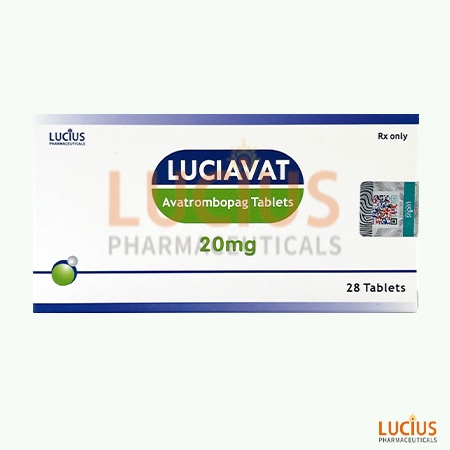
Another Name阿伐曲泊帕、苏可欣、LuciAvat
IndicationsAvatrombopag is an oral medication used for chronic primary immune thrombocytopenia (ITP).
Specs


Telegram name: Vira
Name: LUCIUS
No.:0085253923643
This drug was first approved by the U.S. FDA in May 2018. It targets the thrombopoietin receptor (TPO‑R) and is a prescription medication that must be used strictly under medical supervision.
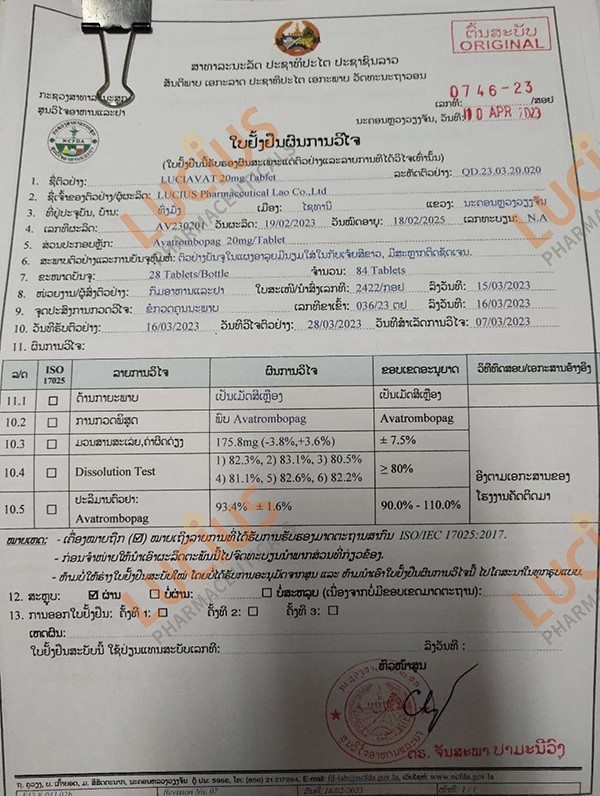
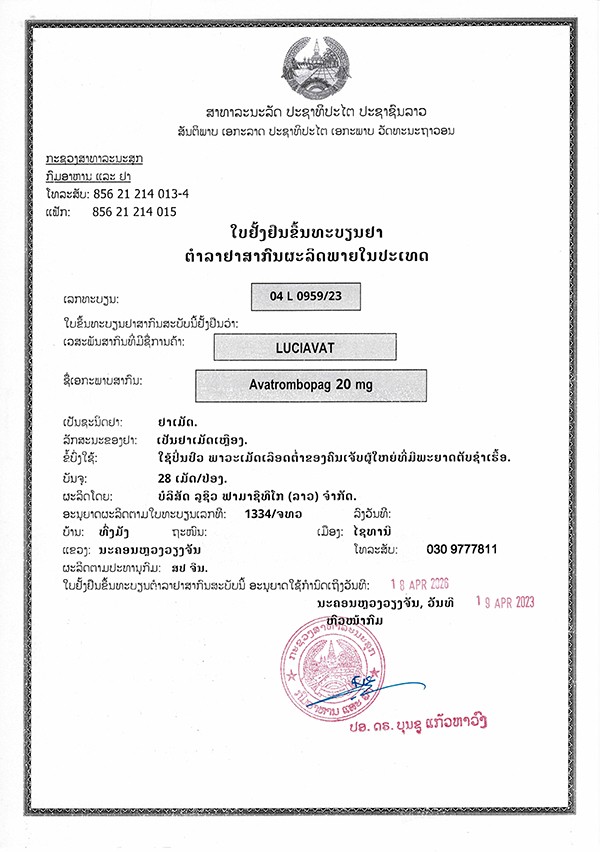
Thrombopoietin receptor (TPO-R)
Avatrombopag mimics the mechanism of the endogenous thrombopoietin (TPO) hormone.
It activates the same signaling pathways as thrombopoietin, sending signals to the body to stimulate platelet production and increase platelet counts.
Route and frequency of administration for Avatrombopag: Oral administration, once daily.
The dosage of Avatrombopag should be adjusted according to the patient’s actual condition.
Please consult a physician and strictly follow medical advice.
Recommended reading: Dosage and Administration of Avatrombopag
Serious side effect: Thrombosis.
Common side effects:
In adults with chronic liver disease (CLD): Fever, abdominal pain, nausea, headache, fatigue, and swelling of hands or feet.
In adult patients with chronic immune thrombocytopenia (ITP): Headache, fatigue, bruising, nosebleed, upper respiratory tract infection, arthralgia, gum bleeding, purple or red spots on the skin, and runny nose.
In pediatric patients with persistent or chronic ITP: Viral infection, runny nose, cough, fever, and mouth or sore throat.
Reference article: Side Effects of Avatrombopag
Pregnancy: May cause harm to your unborn baby. If you become pregnant or suspect pregnancy while taking this medication, inform your doctor immediately.
Lactation: It is not known whether Avatrombopag is excreted in human milk. Do not breastfeed during treatment and for at least 2 weeks after the last dose. During this period, discuss the best way to feed your baby with your doctor.
1. There is a risk of thrombosis or thromboembolic complications. If you experience signs and symptoms of thrombosis (such as swelling, pain or tenderness in the legs, tachycardia, difficulty breathing, abdominal pain or tenderness, chest pain, etc.), you must inform your clinician immediately.
2. Always inform your clinician of all current or planned concomitant therapies, including prescription drugs, over-the-counter medicines, dietary supplements, or herbal preparations, as well as any underlying medical conditions.
3. Female patients should be advised to inform their clinician if they are pregnant, planning to become pregnant, or planning to breastfeed.
from FDA,2021.06
Telegram name: Vira
Name: LUCIUS
No.:0085253923643
