
Your Health, We Care


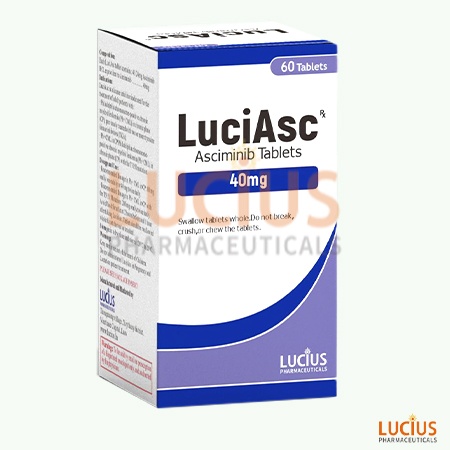
Another Name阿西米尼、LuciAsc
IndicationsPhiladelphia chromosome-positive chronic myeloid leukemia (Ph+ CML) in chronic phase (CP).
Specs


Telegram name: Vira
Name: LUCIUS
No.:0085253923643
Asciminib is a prescription drug approved by the U.S. Food and Drug Administration (FDA) on October 29, 2021. It targets the BCR-ABL1 fusion protein, including the T315I mutant, and shall be used strictly in accordance with medical advice.)
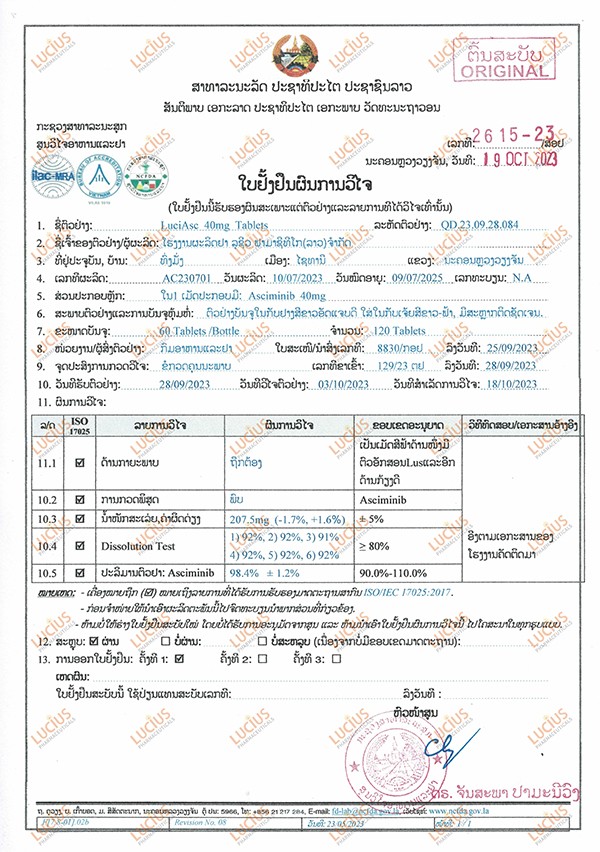
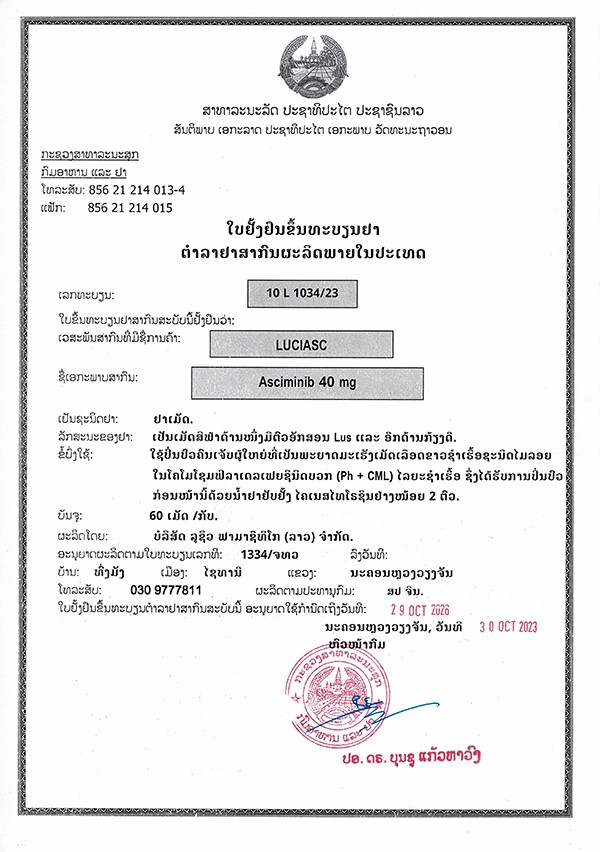
BCR-ABL1 fusion protein (including T315I mutation type).
Route and frequency of administration for asciminib: Oral.
Dosage adjustment of asciminib should be based on the patient's actual condition; specific situations require consultation with a physician and adherence to medical advice.
Recommended reading: Dosage and administration of asciminib
Common side effects: Muscle, bone, or joint pain, rash, fatigue, etc.
Serious side effects: Low blood cell counts, pancreatic problems, etc.
Reference article: Side effects of asciminib
Pregnancy: You should use effective contraception during treatment with SCEMBLIX and for 1 week after the last dose.
Breastfeeding: It is not known whether SCEMBLIX passes into breast milk. Do not breastfeed during treatment with SCEMBLIX and for 1 week after the last dose.
1. Inform patients of the possibility of cytopenia. Advise patients to immediately notify healthcare providers if they develop fever, suspected signs of infection, or signs/symptoms related to bleeding or easy bruising.
2. Inform patients that pancreatitis may occur, which may be accompanied by symptoms such as nausea, vomiting, severe abdominal pain, or abdominal discomfort. Seek medical attention promptly if these symptoms occur.
3. Inform patients of the possibility of hypertension. If blood pressure increases or symptoms such as confusion, headache, dizziness, chest pain, or shortness of breath occur, patients should contact healthcare providers promptly.
from FDA,2021.10
Telegram name: Vira
Name: LUCIUS
No.:0085253923643
