
Your Health, We Care


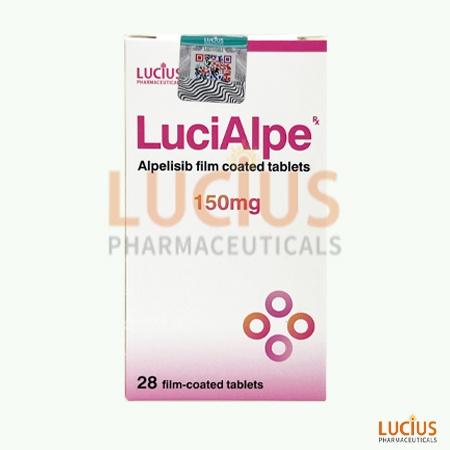
Another Name阿培利司、阿尔卑利昔、阿培利斯、LuciAlpe
IndicationsFor the treatment of adult patients with specific types of advanced or metastatic breast cancer and PIK3CA-related overgrowth spectrum (PROS).
Specs

Telegram name: Vira
Name: LUCIUS
No.:0085253923643
Alpelisib (Piqray) was approved by the U.S. FDA in 2019. It is a prescription drug targeting phosphatidylinositol 3-kinase α (PI3Kα). Patients must consult a doctor before use and strictly follow medical advice.
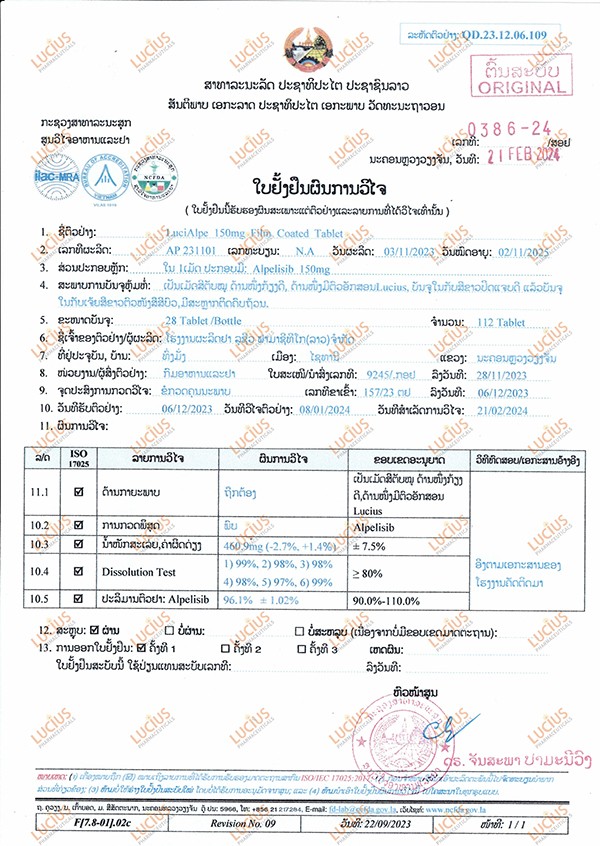
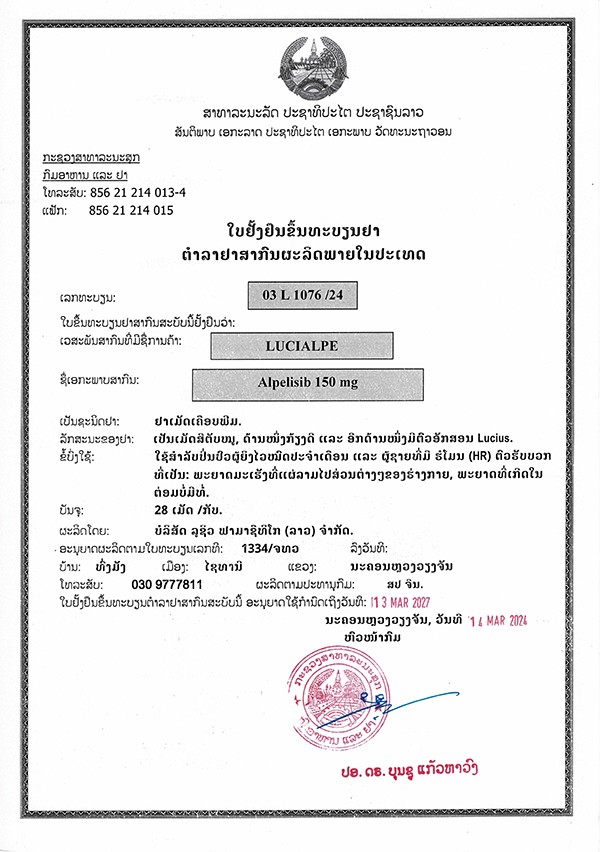
Phosphatidylinositol-3-kinase α (PI3Kα).
Route and frequency of administration for Alpelisib: 250 mg orally once daily, taken with food.
Dosage adjustment of Alpelisib should be based on the patient’s actual condition. For specific adjustments, consult a physician and strictly follow medical advice.
Recommended reading: Dosage and Administration of Alpelisib
Common adverse reactions: diarrhea, stomatitis, hyperglycemia.
Serious adverse reactions: hypersensitivity reactions, severe skin reactions, hyperglycemia-related complications, etc.
Reference article: Adverse Reactions of Alpelisib
Pregnancy: May cause fetal harm.
Lactation: It is unknown whether alpelisib is excreted in human milk or affects the breastfed infant or milk production. Breastfeeding is not recommended during treatment and for at least 1 week after the last dose.
1. Instruct patients to take alpelisib exactly as prescribed. Do not change the dose or interrupt treatment unless advised by a clinician. Instruct patients to take this medication with food.
2. Instruct patients that if a dose is missed, it should be taken as soon as remembered within 9 hours of the scheduled time. If more than 9 hours have passed, skip the missed dose and take the next dose at the regularly scheduled time. If vomiting occurs after dosing, the next dose should be taken at the regularly scheduled time; an extra dose should not be taken to compensate for the vomited dose.
3. Be aware of the risk of severe hypersensitivity reactions, including anaphylaxis. Immediately contact a clinician if signs or symptoms of hypersensitivity occur (e.g., dyspnea, flushing, rash, fever, tachycardia).
from FDA,2022.11
Telegram name: Vira
Name: LUCIUS
No.:0085253923643
