
Your Health, We Care


Release date: 2025-12-09 15:10:07 Recommended: 586
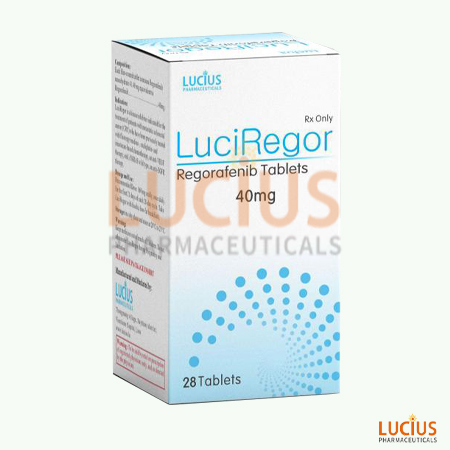
Regorafenib is a kinase inhibitor indicated for the treatment of patients with metastatic colorectal cancer (CRC) who have previously received fluoropyrimidine-, oxaliplatin- and irinotecan-based chemotherapy, anti-VEGF therapy, and, if KRAS wild-type, anti-EGFR therapy.
Recommended dose: 160 mg orally once daily for the first 21 days of each 28-day cycle.
Take Regorafenib with food (a low-fat breakfast).
Lactation: Decide whether to discontinue the drug or discontinue breastfeeding after comprehensively weighing the benefits and risks of the drug to the mother and the breastfeeding infant.
Bleeding: Permanent discontinuation of Regorafenib is required for severe or life-threatening bleeding.
Skin Toxicity: Interrupt, reduce the dose, or discontinue Regorafenib based on the severity and duration of skin toxicity.
Hypertension: Temporarily or permanently discontinue Regorafenib for severe or uncontrolled hypertension.
Cardiac Ischemia and Infarction: Suspend Regorafenib for new or acute cardiac ischemia/infarction; resumption of use is only allowed after the resolution of the acute ischemic event.
Reversible Posterior Leukoencephalopathy Syndrome (RPLS): Discontinue Regorafenib.
Gastrointestinal Perforation or Fistula: Discontinue Regorafenib.
Wound Healing Complications: Discontinue Regorafenib prior to surgery. Patients with wound dehiscence should discontinue the drug.
Embryo-Fetal Toxicity: May cause fetal harm. Inform females of the potential risk to the fetus.
Strong CYP3A4 Inducers: Avoid the use of strong CYP3A4 inducers.
Strong CYP3A4 Inhibitors: Avoid the use of strong CYP3A4 inhibitors.
The most common adverse reactions (≥30%) are asthenia/fatigue, decreased appetite and food intake, hand-foot skin reaction (HFSR) [palmar-plantar erythrodysesthesia (PPE)], diarrhea, mucositis, weight loss, infection, hypertension, and dysphonia.
Not yet established.
Tablets.
Store at 20°C to 25°C (68°F to 77°F); short-term transportation is permitted at temperatures ranging from 15°C to 30°C (59°F to 86°F).


Telegram name: Vira
Name: LUCIUS
No.:0085253923643
