
Your Health, We Care


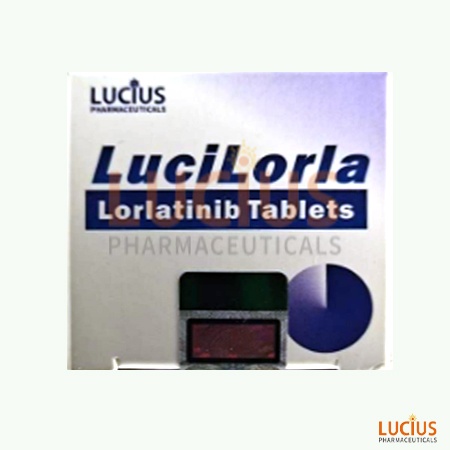
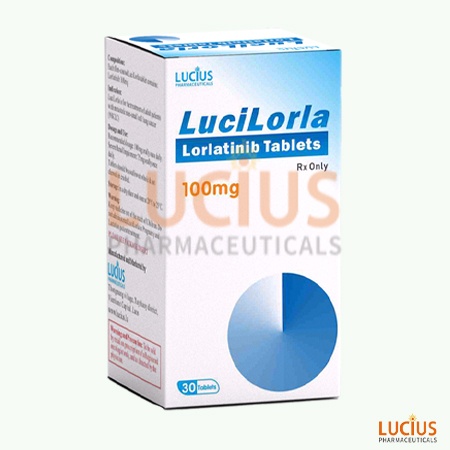
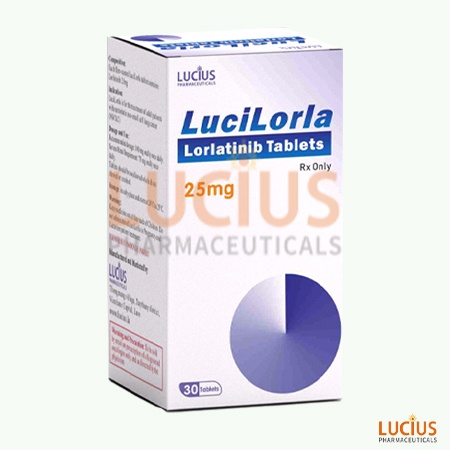
Another NameLorviqua、劳拉替尼
IndicationsLorlatinib is indicated for the treatment of adult patients with non-small cell lung cancer (NSCLC) that is caused by anaplastic lymphoma kinase (ALK) gene abnormalities and has metastasized to other
Reg No.07 L 0989/23
Inspection NO.1727-23

Lorlatinib is a novel third-generation small-molecule dual-target inhibitor of ALK/ROS1, which was approved by the U.S. FDA in November 2018. As a prescription-only medication, it must be used strictly in accordance with the doctor’s instructions.
ALK, ROS1 kinase, TYK1, FER, FPS, TRK family (A/B/C), FAK, FAK2, ACK and other kinases.
Lorlatinib is a drug specifically developed to penetrate the blood-brain barrier. Clinical data shows that it can effectively shrink tumor lesions in ALK-positive non-small cell lung cancer patients with brain metastases.
Route and Frequency of Administration: Oral, 100 mg once daily.
Dosage adjustment of Lorlatinib should be made based on the patient’s actual condition. For specific circumstances, consult a doctor and follow medical advice strictly.
Recommended Reading: Dosage and Administration of Lorlatinib
Severe Adverse Reactions: Central nervous system adverse reactions, elevated blood lipid levels, cardiac-related problems, etc.
Reference Article: Adverse Reactions of Lorlatinib
Pregnancy: Lorlatinib may cause fetal harm. A pregnancy test will be performed by medical staff before you start Lorlatinib treatment. If you become pregnant or suspect pregnancy during Lorlatinib treatment, inform your healthcare provider immediately.
Lactation: It is unknown whether Lorlatinib is excreted in human milk. Breastfeeding is not recommended during treatment and for 7 days after the last dose.
1. Patients must be informed to take Lorlatinib strictly as prescribed. Do not adjust the dosage or discontinue the drug without clinical doctor’s guidance.
2. Patients should be informed that Lorlatinib tablets must be swallowed whole, with or without food. Crushing, chewing or splitting the tablets is strictly prohibited. If a dose is missed, take the missed dose as soon as possible; however, if less than 4 hours remain until the next scheduled dose, skip the missed dose. Patients should be advised not to take a double dose to make up for a missed one. If vomiting occurs after administration, do not take an extra dose and resume the normal dosing schedule at the next scheduled time.
3. Concomitant use with strong CYP3A inducers carries a risk of severe hepatotoxicity.
FDA,2021.03
