
Your Health, We Care


Release date: 2025-12-12 14:06:23 Recommended: 326
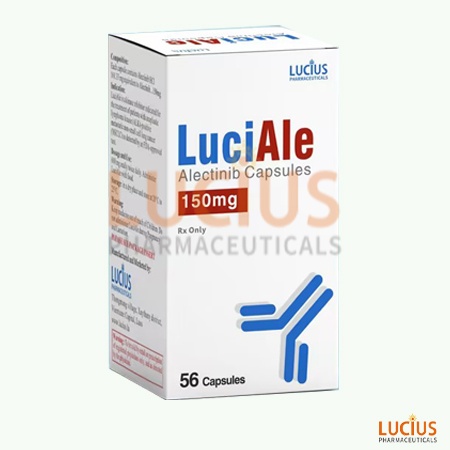
Alectinib is a kinase inhibitor indicated for:
Adjuvant treatment in adult patients with resected anaplastic lymphoma kinase (ALK)-positive non-small cell lung cancer (NSCLC) (tumor ≥4 cm or node-positive).
Adult patients with ALK-positive metastatic non-small cell lung cancer.
Recommended dose: 600 mg orally twice daily, taken with meals.
Lactation: Do not breastfeed.
HepatotoxicityMonitor liver laboratory parameters every 2 weeks during the first 3 months of treatment, then once monthly, and more frequently in patients with elevated transaminases or bilirubin as clinically indicated. If ALT, AST, or bilirubin elevations are severe, hold, reduce the dose of alectinib, or discontinue it permanently.
Interstitial Lung Disease (ILD)/PneumonitisDiscontinue alectinib immediately in patients diagnosed with ILD/pneumonitis. Permanently discontinue alectinib if no other potential cause for ILD/pneumonitis is identified.
Renal ImpairmentHold alectinib in patients with severe renal impairment, then resume at a reduced dose upon recovery or discontinue permanently.
BradycardiaMonitor heart rate and blood pressure regularly. If symptomatic, hold alectinib, then reduce the dose or discontinue permanently.
Severe Myalgia and Creatine Phosphokinase (CPK) ElevationsAssess CPK every two weeks during the first month of treatment and in patients reporting unexplained muscle pain, tenderness, or weakness. If CPK elevations are severe, hold alectinib, then decide whether to resume or reduce the dose after evaluation.
Hemolytic AnemiaHold alectinib if hemolytic anemia is suspected. If hemolytic anemia is confirmed, consider resuming at a reduced dose after resolution or discontinuing permanently.
Embryo-Fetal ToxicityAlectinib can cause fetal harm. Advise females of reproductive potential of the potential risk to a fetus and to use effective contraception.
The most common adverse reactions (incidence ≥20%) are hepatotoxicity, constipation, fatigue, myalgia, edema, rash, and cough.
Not established.
Tablets
Store at 20°C to 25°C (68°F to 77°F); excursions permitted to 15°C to 30°C (59°F to 86°F) for short-distance transport.

Telegram name: Vira
Name: LUCIUS
No.:0085253923643
